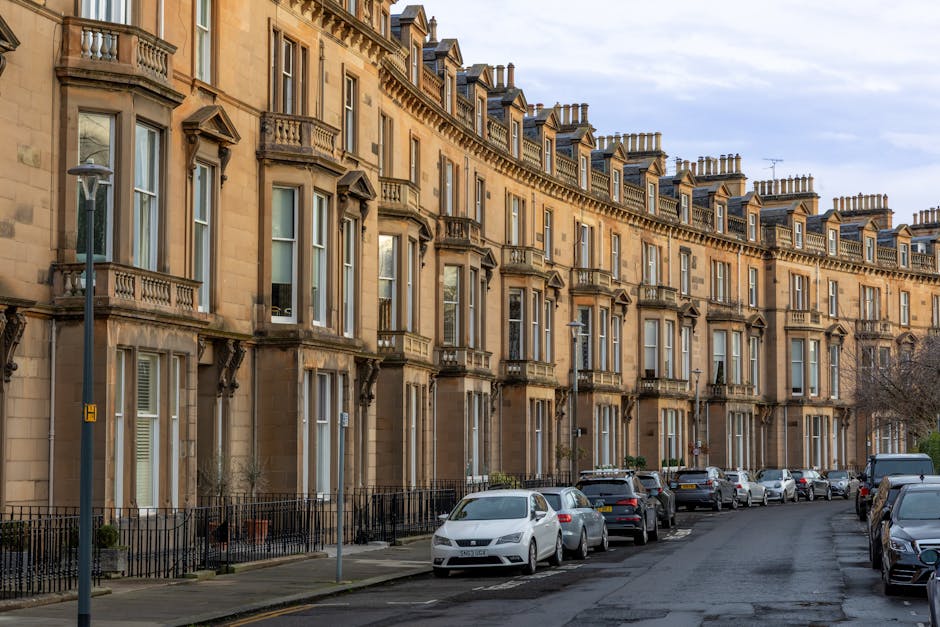






Caledonian Road removal tips for narrow doorway flats
Posted on 09/05/2026
Moving out of a flat near Caledonian Road sounds simple enough until you meet the doorway. Then the sofa stops dead, the wardrobe catches on the frame, and suddenly the whole move feels like a puzzle with one awkward piece missing. If that sounds familiar, you are in the right place. This guide to Caledonian Road removal tips for narrow doorway flats is built for the real-world problems that come with older London buildings, tight hallways, sharp corners, stairwells that seem to narrow just when you need them most, and neighbours who would quite like a quiet morning, thank you very much.
Below, you will find practical ways to plan, pack, measure, and move smarter. There is no fluff here. Just the sort of advice that helps you avoid scratched paint, strained backs, and the classic "how on earth did this fit in here?" moment. If you are comparing options, it can also help to look at broader flat removals in Islington, especially if your home has tight access or awkward internal turns.
Quick takeaway: narrow doorway flats are all about preparation. Measure first, strip furniture down where possible, protect routes, choose the right vehicle size, and do not leave access questions until moving day. That one habit saves a lot of grief.

Why Caledonian Road removal tips for narrow doorway flats Matters
Caledonian Road has a mix of property types, and many flats in the area were not designed with today's oversized sofas, king-size divan bases, or heavy wardrobes in mind. Narrow doors are only part of the challenge. The real issue is the chain reaction: a tight entrance leads to a slow load, a slow load affects the schedule, and a rushed move increases the chance of damage.
That matters even more in dense parts of North London, where access can be constrained by parked cars, limited loading space, busy roads, and shared entrances. If you have ever stood in a hallway with a fridge that is definitely too large for the space, you already know the feeling. Truth be told, the difference between a smooth move and a stressful one is often a few centimetres and a little planning.
Local flats also tend to create hidden access issues: narrow landings, tight stair turns, low ceiling points, and door furniture that reduces usable width. A doorway that looks "fine" in daylight can become surprisingly awkward once you are moving a mattress through it at an angle. That is why a proper access check is not optional. It is the move.
If you are settling in the area, it can help to understand the local housing picture too. The team's perspective on what makes Islington a popular place to live gives useful context for why so many residents deal with compact flats and older building layouts.
How Caledonian Road removal tips for narrow doorway flats Works
The process is straightforward in principle, but it works best when broken into stages. In a narrow doorway flat, you are not just moving objects from one address to another. You are managing routes, angles, surfaces, timing, and sometimes building rules. A good removal plan makes each of those parts visible before the van arrives.
Start with access. Measure the main door, internal doors, stair widths, hallway pinch points, and any turn that might restrict larger items. Then compare those measurements with the dimensions of the biggest items you intend to move. This is where many people get caught out. A sofa may technically fit through the door width, but not through the turn into the hallway. Annoying? Absolutely. Common? Very.
Next comes disassembly and packing. Beds, tables, shelving, and some wardrobes are much easier to move when partially dismantled. Remove handles if needed, wrap corners, bag fixings, and label everything clearly. If you want a more general moving framework alongside this guide, the company's tips for a smoother move page is a helpful companion read.
Finally, the move itself should follow the route you planned, not the route that looks quickest in the moment. In tight properties, one wrong turn can cost ten minutes and a chipped wall. The best crews keep the pace calm, communicate constantly, and keep the items protected as they go.
Key Benefits and Practical Advantages
Getting the narrow-access side right is not just about avoiding damage, although that is a big part of it. There are some very practical advantages that make the whole day easier on your body, your schedule, and your budget.
- Less risk of damage: careful planning reduces scuffs on paintwork, cracked plaster, and damaged furniture edges.
- Faster loading and unloading: when you know what can move where, the job stops stalling at the doorway.
- Lower stress: you are not improvising under pressure while carrying something heavy.
- Better use of labour: movers spend more time moving and less time rethinking the route.
- Safer handling: fewer awkward lifts means less strain on backs, fingers, and shoulders.
- More accurate quotes: once access is known, removal companies can give more realistic pricing and vehicle recommendations.
There is also a quieter benefit: confidence. When you have checked the details, moving day feels more controlled. You are not hoping the wardrobe will squeeze through. You already know whether it will, or whether it needs to be taken apart first.
Who This Is For and When It Makes Sense
This advice is especially useful if you live in a compact flat, basement conversion, period property, or upper-floor apartment with a narrow front door or tight communal corridor. It also makes sense if you are moving bulky furniture, white goods, boxed possessions, or anything awkward to carry on stairs.
It is particularly relevant for:
- Tenants moving out of smaller London flats
- First-time buyers who have not yet moved furniture through the building
- Students or sharers with limited lift access and lots of boxed items
- Residents with heavy items like wardrobes, beds, pianos, or large bookcases
- Anyone using a man with a van in Islington for a compact but tricky move
It also makes sense if you are moving within a tight timeframe. For example, if completion runs late and you need things moved quickly, the margin for error gets smaller. In those cases, a service such as same-day removals in London can be useful, but only if access has been checked properly. Speed without preparation is usually just organised chaos.
And if your flat has a lot of furniture that cannot be moved intact, looking at furniture removals support in Islington may save you from a very stressful lift.
Step-by-Step Guidance
Here is the part that matters most: how to actually do this properly. Keep it simple, methodical, and a bit stubborn about the details.
1. Measure everything before you book
Measure the main entrance, internal doors, stairwells, landings, lift openings if there is one, and the largest items you need to move. Do not estimate by eye. We all overestimate when we are tired, and under pressure. Measure width, height, and depth where needed. If the item can be turned diagonally, note that too.
2. Identify the pinch points
Pinch points are the spots that reduce usable space: a stair rail, a door closer, a bulky banister, a narrow bend in the hallway, or an awkward step just inside the entrance. These are often the real problem, not the doorway itself. In one move, the door opened wide enough, but the wardrobe hit the hallway light fitting. A tiny detail. Huge effect.
3. Decide what should be dismantled
Anything flat-packed or modular should be stripped down where practical. Beds, tables, desks, and shelving units often move more safely in parts. Keep screws, bolts, and fittings in labelled bags taped to the relevant item. It sounds basic, but there is nothing glamorous about searching through five identical clear bags on arrival at the new place.
4. Clear and protect the route
Before moving begins, clear floor clutter, loose rugs, coat stands, shoe racks, and anything else that narrows the path. Use furniture blankets, corner guards, and floor protection where needed. If walls are particularly tight, ask the movers to protect both sides of the route. A few minutes spent protecting a route often prevents a much more expensive repair later.
5. Load the van in the right order
Heavier, sturdier items usually go in first, with softer or more fragile items secured around them. In narrow doorway moves, the loading order matters because you often want the biggest awkward pieces out of the flat before the smaller items become a trip hazard. This is where good planning really pays off.
6. Keep communication short and clear
When a bulky item is halfway through a doorway, too many instructions can make the situation worse. Pick one person to call the shots. Simple instructions work best: "tilt left," "pause," "slow down," "lift now." It may feel a bit dramatic in the moment, but it keeps everyone safe.
7. Leave time for the unexpected
There is always something. A door hinge that catches. A mattress that behaves like a sail. A neighbour who needs to pass. Build a little slack into the schedule so you do not have to rush the difficult part. Time pressure is where damage tends to happen.
Expert Tips for Better Results
These are the small details that make a move noticeably easier. Not headline-grabbing. Just effective.
- Take photos of tricky access points before moving day and send them to the removals team. A picture often explains more than a paragraph.
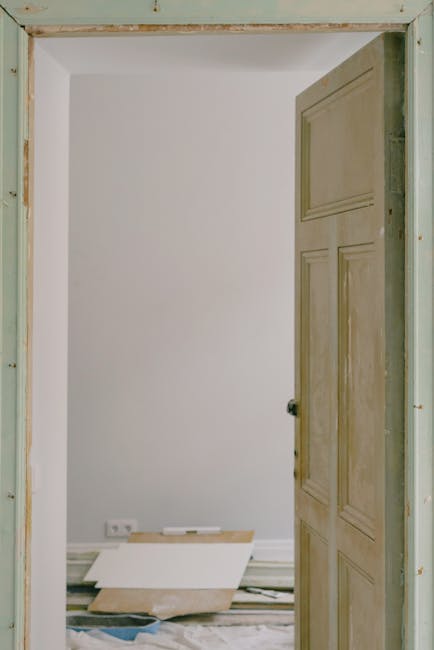
- Remove doors if needed where it is safe and sensible to do so. Sometimes a door off its hinges creates just enough extra space.
- Use glide sheets or sliders for heavier items on smooth flooring, but only where suitable and safe.
- Wrap corners first, not last. The first scrape usually happens when someone says "we'll be careful" and the item is already halfway out.
- Check parking and unloading access early. Even a good packing plan can unravel if the van cannot get close enough.
- Keep the kettle, phone charger, and key documents separate. Moving day is not the time to be hunting for your charger in a box labelled "misc."
If you are comparing providers, it is worth checking the broader removal services in Islington so you understand what is available beyond basic lifting and loading. And for the business behind the service, a quick look at the company's about us page helps build trust before you commit.
One more practical note: if you have a treasured upright or digital piano, do not treat it like a standard box item. The process is different, the weight distribution is different, and the route planning needs more care. A dedicated piano removals service in Islington is usually the safer call.
Common Mistakes to Avoid
Most problems in narrow doorway flat moves are preventable. The same few mistakes crop up again and again.
- Guessing the measurements. "It should fit" is not a measurement. It is a hope.
- Forgetting the route inside the property. The door is only one part of the journey.
- Leaving packing to the last night. That is how fragile items get rushed and badly boxed.
- Not telling the removals team about awkward access. Hidden stairs and tight turns need to be disclosed early.
- Ignoring parking or loading restrictions. A van parked too far away creates extra lifting, extra time, and extra frustration.
- Trying to move too much in one piece. If it looks borderline, dismantle it. Honestly, less heroics, more common sense.
Another common issue is assuming every removal company handles narrow-access flats equally well. They do not. Experience matters, especially with upper-floor London properties and compact staircases. If you want to compare approaches, the page on removal companies in Islington can help you think through what to look for beyond the headline price.
Tools, Resources and Recommendations
You do not need a van full of specialist kit for every move, but a few well-chosen tools make a noticeable difference. Especially in tight flats.
| Tool or resource | What it helps with | Best used for |
|---|---|---|
| Measuring tape | Checking doors, stairs, furniture, and turns | Planning before booking and before lifting |
| Furniture blankets | Protecting surfaces from knocks and scrapes | Wardrobes, tables, bed frames, and appliances |
| Corner guards | Shielding paint and plaster on narrow routes | Hallways and door frames |
| Labelled bags for fixings | Keeping screws and bolts together | Any dismantled furniture |
| Mattress covers and stretch wrap | Keeping soft items clean and easier to handle | Beds, sofas, and upholstered pieces |
| Parking or access notes | Helping the team plan unloading space | Street-level logistics and timing |
For packing support, the packing and boxes London page is a useful reference if you need materials or want to understand how proper packing affects a tight move. It sounds boring until you are trying to carry a badly stacked box down a narrow stairwell. Then it becomes very interesting, very quickly.
If you are looking for a compact vehicle option, a removal van in Islington may be enough for smaller flat moves, but only if the load has been well planned. Bigger is not always better in streets like these. Sometimes a smaller vehicle is the smarter one.
For readers who want a broader view of the company's service range, the services overview is a useful starting point.
Law, Compliance, Standards, or Best Practice
Most of the practical work here is about best practice rather than a specific law. That said, there are still important duties to keep in mind. Removal work should be carried out safely, with proper attention to manual handling, the protection of property, and clear communication around access. If a building has communal areas, residents and neighbours should also be considered. No one enjoys a stairwell blocked by a sofa at 8 a.m.
For movers and customers alike, safety expectations generally include sensible lifting technique, suitable equipment, and checking whether an item needs two people, three people, or specialist handling. If items are unusually heavy or valuable, a cautious approach is always better than bravado. Always.
Insurance is worth checking in advance too. The details vary, so read them carefully and ask questions if anything is unclear. The company's insurance and safety information explains the sort of issues customers should think about before move day. That may not be the most exciting reading, but it can save a lot of worry later.
Security and payments matter as well. If you are booking remotely or dealing with a tight moving timeline, it helps to understand how the process works and what to expect. You can read more on payment and security for a clearer picture.
For anyone who wants reassurance about service standards and customer handling, the site also provides policy information such as the terms and conditions and complaints procedure. That kind of transparency matters. It really does.
Options, Methods, or Comparison Table
There is no single best moving method for every narrow doorway flat. The right choice depends on access, furniture size, distance, and how much help you need. Here is a practical comparison.
| Method | Best for | Strengths | Watch-outs |
|---|---|---|---|
| DIY move | Very small loads and simple access | Lowest direct cost, full control | High physical effort, easy to misjudge access, more risk of damage |
| Man and van | Compact flat moves, students, light household loads | Flexible, often quicker for smaller jobs | May not suit bulky furniture unless access is checked carefully |
| Full removals team | Heavier loads, awkward access, multiple rooms | More hands, better route management, less strain on you | Higher cost than a basic van hire, but often better value in tricky flats |
| Specialist item removal | Pianos, oversized wardrobes, fragile valuable items | Extra equipment and handling knowledge | Only worth it if the item truly needs specialist care |
For many Caledonian Road flats, the sweet spot is a careful man-and-van arrangement with enough planning around access, or a fuller removals service if the furniture is heavy and the staircase is awkward. If you are unsure, ask for a quote based on photos and measurements. The pricing and quotes page is a sensible place to start.
Case Study or Real-World Example
A typical example: a one-bedroom flat with a narrow front door, a tight internal hallway, and a sofa-bed that looks manageable until you actually try to turn it. The resident had boxed most smaller items already, which helped. The problem piece was the sofa. It was just too wide to carry upright through the turn after the entrance.
The solution was not brute force. The movers measured the route, removed the feet, padded the frame, and used a controlled tilt to bring the item through in stages. Another awkward piece, a freestanding wardrobe, was partially dismantled before removal. That one decision saved time and reduced the risk of scraping the stair wall. Simple, but effective.
The move still took concentration. Of course it did. Narrow doorway flats always do. But because the access points had been checked in advance, there were no surprises. No panic. No "maybe if we just twist it a bit more." That is usually the moment things go sideways.
For homes near busier parts of the area, an added note: if your move overlaps with local traffic or route planning around Upper Street and nearby roads, the Upper Street and Angel N1 removals guide offers useful local context that can help with timing and access decisions.
Practical Checklist
Use this checklist a few days before move day. It is not fancy, but it works.
- Measure all doors, stairwells, landings, and the largest furniture items
- Take photos of narrow access points and share them with your removals team
- Decide which furniture should be dismantled
- Label screws, bolts, and fittings for each item
- Protect floors, walls, and door frames with suitable covers
- Clear hallways, rugs, bins, and loose items from the route
- Confirm parking or unloading access near the building
- Check whether any item needs specialist handling
- Prepare a clear plan for the order of loading and unloading
- Keep essentials separate: documents, chargers, medication, keys, and kettle stuff
One-line reminder: if something looks awkward the day before, it will not magically become easier on the morning. Fix it early.
Conclusion
Moving from a narrow doorway flat on or around Caledonian Road does not have to become a horror story. With the right measurements, a realistic plan, and a removals team that understands tight London access, you can get everything out safely and without the usual chaos. The big win is not speed for its own sake. It is control. Calm, steady, practical control.
Keep the route clear. Measure twice. Dismantle what can be dismantled. And do not leave awkward access details as a last-minute surprise. That tiny bit of discipline makes the whole move easier, and to be fair, it makes you feel a lot better too.
If you are planning a move and want help choosing the right service for a narrow-access flat, a quote based on your actual layout is the smartest next step.
Get a free quote today and see how much you can save.
And if the process feels a bit daunting, that is normal. Most people only move a handful of times in a lifetime, so there is no shame in wanting it handled properly. A well-planned move has a way of making a fresh start feel lighter.